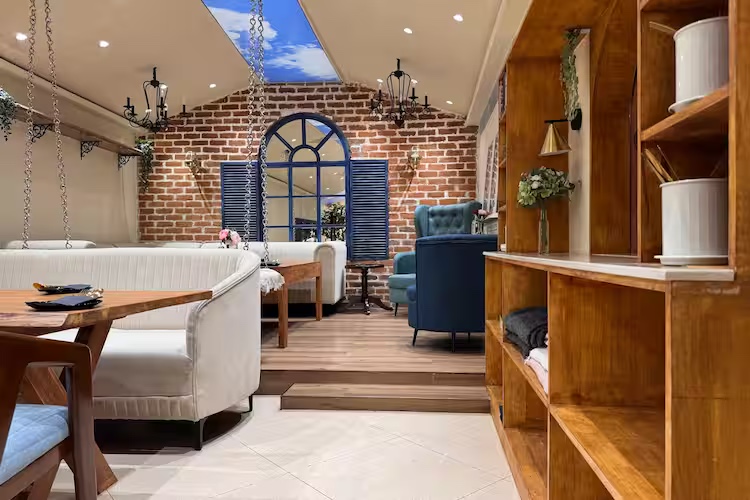
The Place
Bread and Brew is a café-restaurant in Chennai built around honest food, good bread, and the kind of atmosphere where people stay longer than they planned to. It is not a large space. It does not need to be. The intimacy is part of what makes it work, and part of what makes the service so deliberate.
I came in as Head of House. That means I am responsible for everything the guest sees, feels, and experiences from the moment they walk in to the moment they leave.
The Service
What we aim for at Bread and Brew is not efficiency. It is presence.
A guest should feel noticed, not managed. They should feel that the person serving them is actually paying attention, not running through a script. The difference between good service and memorable service is almost always in the small things: the moment you refill a glass before it is empty, the way you handle a long wait so the guest never has to ask about it, the read on a table that wants to be left alone versus one that wants to talk.
That is the standard we hold on the floor. Not just what we deliver, but how it feels to receive it.
A Moment That Stayed With Me
A customer walked in one Tuesday not knowing we take our coffee seriously here. He wanted a good pourover. I asked him to sit at the bar.
We talked while I brewed. What I had picked up at Subko, the grind, the water temperature, the bloom, just came out naturally in conversation. He was curious and I had something to offer. No performance, just a cup made with care.
He still calls. Brings people who love coffee and wants them to experience it here.
I am not a barista. That is not my title or my training. But that afternoon taught me something I carry into every service: hospitality is not the role you hold. It is the care you bring to the moment in front of you.
The Operations Behind It
None of that happens without a structure underneath it.
Every service starts before the first guest. There is a prep rhythm on the floor: tables set with intention, briefings where the team knows the specials and the potential pressure points, a shared understanding of what we are walking into. Problems from the last service are addressed here, not buried.
During service, the job is to hold the room: read how it is moving, catch the table that has been waiting too long before they have to tell you, communicate tension between the floor and the kitchen in a way the guest never feels. When things go wrong, the guest should not be the one to figure that out.
What I have built here over time:
- A front-of-house team with a shared operational language, built through repetition and deliberate feedback
- Service standards that measure how the guest feels, not just what they received
- Prep systems and checklists that free the team to be present instead of reactive
- A floor culture where mistakes are discussed openly and used as material for improvement